A Non-Invasive Option for Stubborn Pain
You have tried rest. You have tried ice, stretching, and maybe even cortisone injections. Yet the pain in your heel, elbow, or shoulder keeps coming back. If this sounds familiar, you are not alone. Chronic tendon and soft tissue pain is one of the most frustrating conditions to deal with because it often resists the treatments people try first.
Shockwave therapy, formally known as Extracorporeal Shockwave Therapy (ESWT), is a non-invasive treatment that has changed the way we approach these stubborn conditions at Advanced Wellness Chiropractic in Bridgeton, MO. It directs targeted acoustic pressure waves at tissues that have stopped responding to other interventions.
How Extracorporeal Shockwave Therapy Works
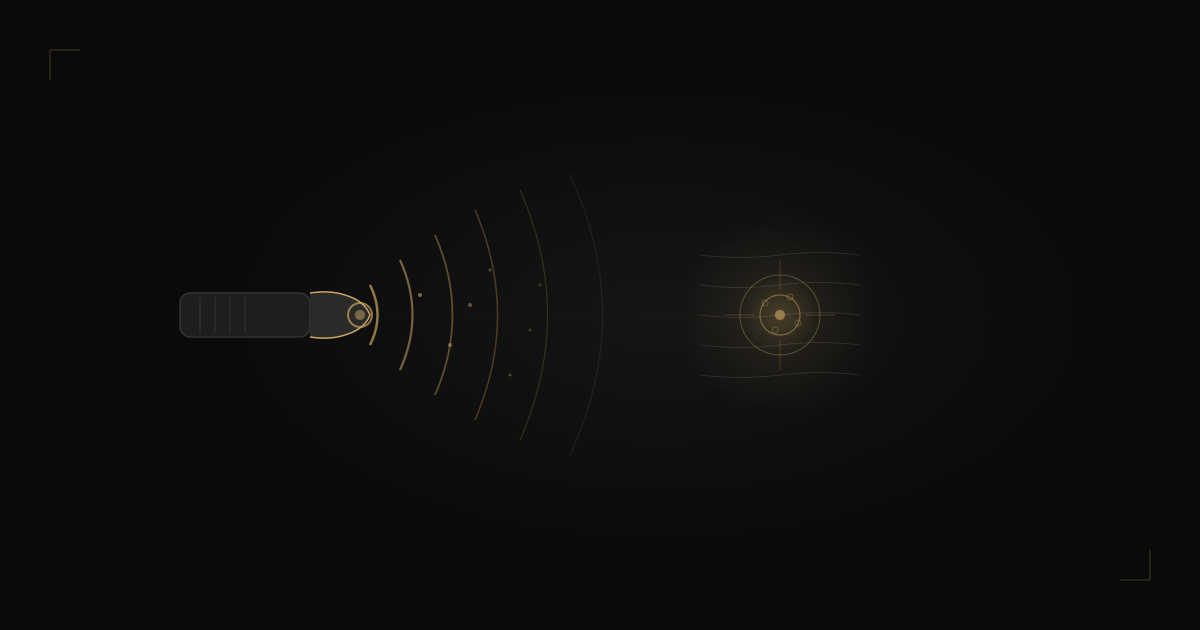
ESWT works by delivering acoustic waves into the damaged tissue through a handheld applicator placed on the skin. These waves create a controlled micro-trauma at the cellular level. While the word "trauma" may sound alarming, this is a controlled process that is thought to prompt the body's own repair mechanisms.
The exact mechanism is not fully understood. Here is what researchers have proposed happens at the tissue level:
- Neovascularization: The pressure waves may stimulate the formation of new blood vessels in the treatment area. Chronic tendon injuries are often characterized by poor blood supply, which is one reason they can heal slowly.
- Collagen remodeling: Shockwave therapy may stimulate fibroblasts, the cells responsible for producing collagen. In chronic tendon conditions, the collagen fibers are often disorganized and weak.
- Calcification breakdown: In conditions like calcific shoulder tendinitis, calcium deposits form within the tendon and cause pain and restricted motion. The acoustic waves may help break down these deposits so the body can reabsorb them.
- Pain signaling: ESWT may reduce levels of substance P, a neurotransmitter involved in pain signaling.
Much of this mechanism research comes from laboratory and animal studies, and the picture is still incomplete.
Conditions Shockwave Therapy Is Used For
Plantar Fasciitis
Plantar fasciitis is perhaps the most well-known application of ESWT. The plantar fascia, a thick band of tissue running along the bottom of the foot, becomes inflamed and painful, especially with those first steps out of bed in the morning. For patients who have been dealing with heel pain for months despite stretching, orthotics, and rest, shockwave therapy is an option worth discussing.
ESWT is usually considered for chronic plantar fasciitis that has not responded to several months of conservative treatment. Response varies, and we reassess as the series goes on.
Tennis Elbow (Lateral Epicondylitis)
You do not need to play tennis to develop tennis elbow. Repetitive gripping, typing, and lifting can all contribute to the degeneration of the tendons on the outside of the elbow. This condition can be slow to heal. Shockwave therapy is one of the treatments used for chronic cases.
Shoulder Tendinitis and Calcific Tendinitis
Chronic shoulder pain from rotator cuff tendinopathy or calcific tendinitis is another area where ESWT is used. The shoulder is a complex joint with tendons that are vulnerable to wear, compression, and calcium buildup. Shockwave therapy is used for calcific deposits and for tendon irritation in the rotator cuff. For patients considering surgery for chronic shoulder pain, ESWT is a conservative option to discuss first.
Knee Pain and Patellar Tendinopathy
Knee pain from patellar tendinopathy, commonly called jumper's knee, affects athletes and non-athletes alike. The patellar tendon connects the kneecap to the shinbone and is under constant stress during activities like walking, climbing stairs, and squatting. When this tendon becomes chronically irritated, shockwave therapy is sometimes used after rest and rehabilitation have not been enough. Results are not guaranteed: one placebo-controlled trial in jumping athletes treated during their competitive season found no benefit over sham treatment.
Other Conditions
ESWT is also used for Achilles tendinopathy, hip bursitis, myofascial trigger points, and scar tissue from previous injuries. If you have a soft tissue condition that has not responded to other treatments, it is worth discussing whether shockwave therapy could help.
What a Shockwave Therapy Session Is Like
If you have never had shockwave therapy before, here is what to expect at our Bridgeton, MO office.
First, Dr. JC will evaluate your condition and determine the precise treatment area. A gel is applied to the skin to help transmit the acoustic waves effectively. The handheld applicator is then placed against the skin over the affected area.
During treatment, you will feel a rapid tapping or pulsing sensation. The intensity is adjustable, and we always start at a comfortable level before gradually increasing to the therapeutic range. Some areas may be more sensitive than others, particularly during the first session. Most patients describe the sensation as tolerable and not painful.
Each treatment session lasts between 5 and 10 minutes per area. There is no anesthesia, no incision, and no downtime. You can walk out of the office and return to your normal activities the same day. We typically recommend avoiding high-impact exercise for 24 to 48 hours after a session.
How Many Treatments Are Needed?
A typical series is 3 to 6 treatments, spaced one week apart. Some patients notice improvement early, others see gradual progress over the course of the treatment series, and some do not respond. The total number of sessions depends on the severity and duration of the condition.
At Advanced Wellness Chiropractic, we do not use shockwave therapy in isolation. We use it as part of a complete treatment plan that may include chiropractic adjustments, soft tissue therapy, and targeted exercises.
Who Is a Good Candidate for Shockwave Therapy?
You may be a good candidate for ESWT if:
- You have had pain for more than 6 weeks that has not improved with rest, ice, or anti-inflammatory medication
- Your condition involves a tendon, ligament, or fascia
- You have tried other conservative treatments like physical therapy, stretching, or cortisone injections without lasting relief
- You want to avoid surgery or are looking for a non-invasive option before considering a surgical referral
Shockwave therapy may not be appropriate for everyone. It is generally not recommended for patients with blood clotting disorders, active infections in the treatment area, or those who are pregnant. Patients with metal implants near the treatment site should also discuss this with Dr. JC before proceeding.
Why Patients in Bridgeton and St. Louis Choose ESWT
Patients come to our office from across the St. Louis metro area specifically for shockwave therapy because it is a non-invasive option for conditions that have not improved with other conservative care. It has been studied in randomized trials for more than twenty years, with results that vary by condition.
When combined with chiropractic adjustments and the other advanced therapies we offer, shockwave therapy becomes one piece of a treatment plan built around your exam findings.
Find Out If Shockwave Therapy Is Right for You
If you have been living with chronic pain that will not go away, shockwave therapy may be worth discussing. Contact us today or call (636) 393-8390 to schedule a consultation at Advanced Wellness Chiropractic in Bridgeton, MO. We will evaluate your condition, explain your options, and help you decide whether ESWT belongs in your treatment plan.