A Treatment That Goes Beyond the Adjustment
Chiropractic adjustments are the foundation of what we do at Advanced Wellness Chiropractic, but some conditions need more than spinal alignment to fully resolve. Chronic tendon problems, scar tissue buildup, and deep muscle pain often require a treatment that reaches tissues an adjustment alone cannot target.
That is where shockwave therapy comes in. This non-invasive treatment uses acoustic pressure waves to stimulate healing in damaged tissues.
How Shockwave Therapy Works
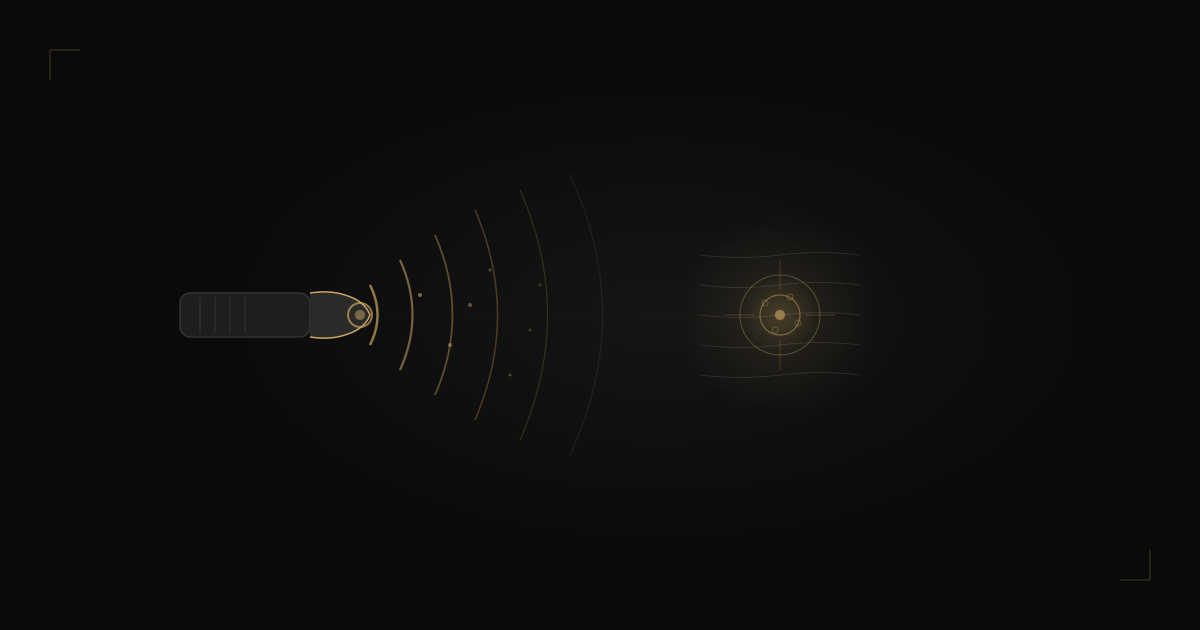
Shockwave therapy delivers sound waves into the affected tissue through a handheld applicator. These pressure waves create a controlled micro-trauma at the cellular level, which is thought to prompt the body's natural healing response. The exact mechanism is not fully understood. Researchers have proposed that the treatment may:
- Increase blood flow to the injured area, bringing oxygen and nutrients needed for repair
- Break down scar tissue and calcifications that restrict movement and cause pain
- Stimulate collagen production in damaged tendons and ligaments
- Reduce substance P, a neurotransmitter associated with pain signaling
Each session typically lasts between 5 and 10 minutes per treatment area. A typical plan runs 3 to 6 sessions, and response varies from patient to patient.
Conditions Shockwave Therapy Is Used For
Plantar Fasciitis
Plantar fasciitis is one of the main conditions shockwave therapy is used for. The thick band of tissue along the bottom of the foot becomes inflamed and painful, especially with the first steps in the morning. A placebo-controlled trial is summarized in the research section below.
Tennis Elbow
Tennis elbow, or lateral epicondylitis, involves degeneration of the tendons on the outside of the elbow. It is common in people who perform repetitive gripping motions, not just tennis players. Shockwave therapy is applied directly over the affected tendon. A sham-controlled trial is summarized below.
Shoulder Pain
Chronic shoulder pain from rotator cuff tendinopathy or calcific tendinitis is another common use. Calcific tendinitis involves calcium deposits in the shoulder tendons that cause pain and restricted motion. The trial evidence is summarized below.
Knee Pain
Patellar tendinopathy, commonly called jumper's knee, is a cause of chronic knee pain that is sometimes treated with shockwave therapy when rest and physical therapy alone have not resolved the issue. Trial results for this use have been less favorable, as the summary below explains.
Hip Pain
Greater trochanteric pain syndrome and gluteal tendinopathy are common causes of hip pain that we evaluate for shockwave treatment. Whether it is a reasonable option depends on your exam.
What the Research Says
Shockwave therapy has been tested in randomized, placebo-controlled trials for several tendon conditions, and the results differ by condition. Here is what the studies cited on this page found:
Plantar fasciitis: A randomized, placebo-controlled trial published in the American Journal of Sports Medicine (Gerdesmeyer et al., 2008) tested radial shockwave therapy in 245 patients with chronic plantar fasciitis. The authors concluded that it significantly improved pain, function, and quality of life compared with placebo. This trial used a radial device.
Calcific shoulder tendinitis: A double-blind, randomized, placebo-controlled trial published in JAMA (Gerdesmeyer et al., 2003) studied 144 patients with chronic calcific tendinitis of the rotator cuff. The authors concluded that both high-energy and low-energy ESWT appeared to improve shoulder function and self-rated pain and to reduce the size of the calcium deposits compared with sham treatment, and that high-energy ESWT appeared to be superior to low-energy ESWT.
Tennis elbow: A randomized, placebo-controlled trial in the American Journal of Sports Medicine (Rompe et al., 2004) enrolled 78 tennis players who had chronic tennis elbow for at least 12 months. At three months, the authors concluded that low-energy shockwave treatment was superior to sham treatment for pain and function.
Tissue healing mechanisms: A review published in the Journal of Orthopaedic Surgery and Research (Wang, 2012) states that the exact mechanism of shockwave therapy remains unknown. It describes animal experiments in which shockwave treatment was followed by new blood vessel growth (neovascularization) and an increase in growth factors related to blood supply.
Patellar tendinopathy: A randomized, placebo-controlled trial in the American Journal of Sports Medicine (Zwerver et al., 2011) studied 62 jumping athletes who had patellar tendinopathy symptoms for 3 to 12 months and were still competing. The authors concluded that ESWT used as a solitary treatment during the competitive season had no benefit over placebo in that group.
Results differ by condition, by device, and by patient. Dr. JC will tell you during your evaluation whether shockwave therapy is a reasonable option for your condition.
What Does Shockwave Therapy Feel Like?
Patients often describe the sensation as a rapid tapping or pulsing on the skin. The intensity is adjustable, and Dr. JC will work with you to find a level you can tolerate. Some areas may be more sensitive than others, especially during the first session.
There is no downtime after treatment. You can return to normal activities the same day, though we may recommend avoiding high-impact exercise for 24 to 48 hours after a session.
Who Is a Good Candidate?
Shockwave therapy is usually considered for patients who have:
- Chronic pain lasting more than 6 weeks that has not responded to rest or medication
- Tendon-related conditions such as tendinopathy or tendinitis
- Soft tissue injuries with scar tissue buildup
- Conditions where surgery is being considered but they want to try a conservative option first
It may not be appropriate for patients with certain blood clotting disorders, active infections in the treatment area, or during pregnancy. Dr. JC will evaluate your specific situation before recommending treatment.
Why We Added Shockwave Therapy to Our Practice
At Advanced Wellness Chiropractic, the goal has always been to give patients every advantage in their recovery. Adding shockwave therapy to our treatment options means we can address conditions that previously required referral to a specialist or that simply were not responding to adjustments and soft tissue work alone.
The research behind shockwave therapy is still developing and varies by condition. When combined with chiropractic adjustments, Active Muscle Release, and targeted rehab exercises, shockwave becomes part of a full treatment plan built around your exam findings.
Ready to See If Shockwave Therapy Is Right for You?
If you have been dealing with chronic pain that is not getting better, shockwave therapy may be worth discussing. For a deeper look at another advanced soft tissue technique we use, read our article on what Graston Technique is and how it works. Contact us today or call (636) 393-8390 to schedule a consultation at our Bridgeton, MO office. New patients can schedule a first visit to get started.

Related Articles
Shockwave Therapy in Greater St. Louis: What It Is and Where to Get It
Learn how shockwave therapy works, which conditions may respond, and where Greater St. Louis patients can receive treatment in Bridgeton.
Treatment OptionsWhat Is Graston Technique? A Soft Tissue Therapy Guide
Curious about Graston Technique? Learn how this instrument-assisted therapy breaks down scar tissue, speeds recovery, and treats chronic pain in Bridgeton.